

Why Does Official Corteiz Keep Its Audience Guessing?
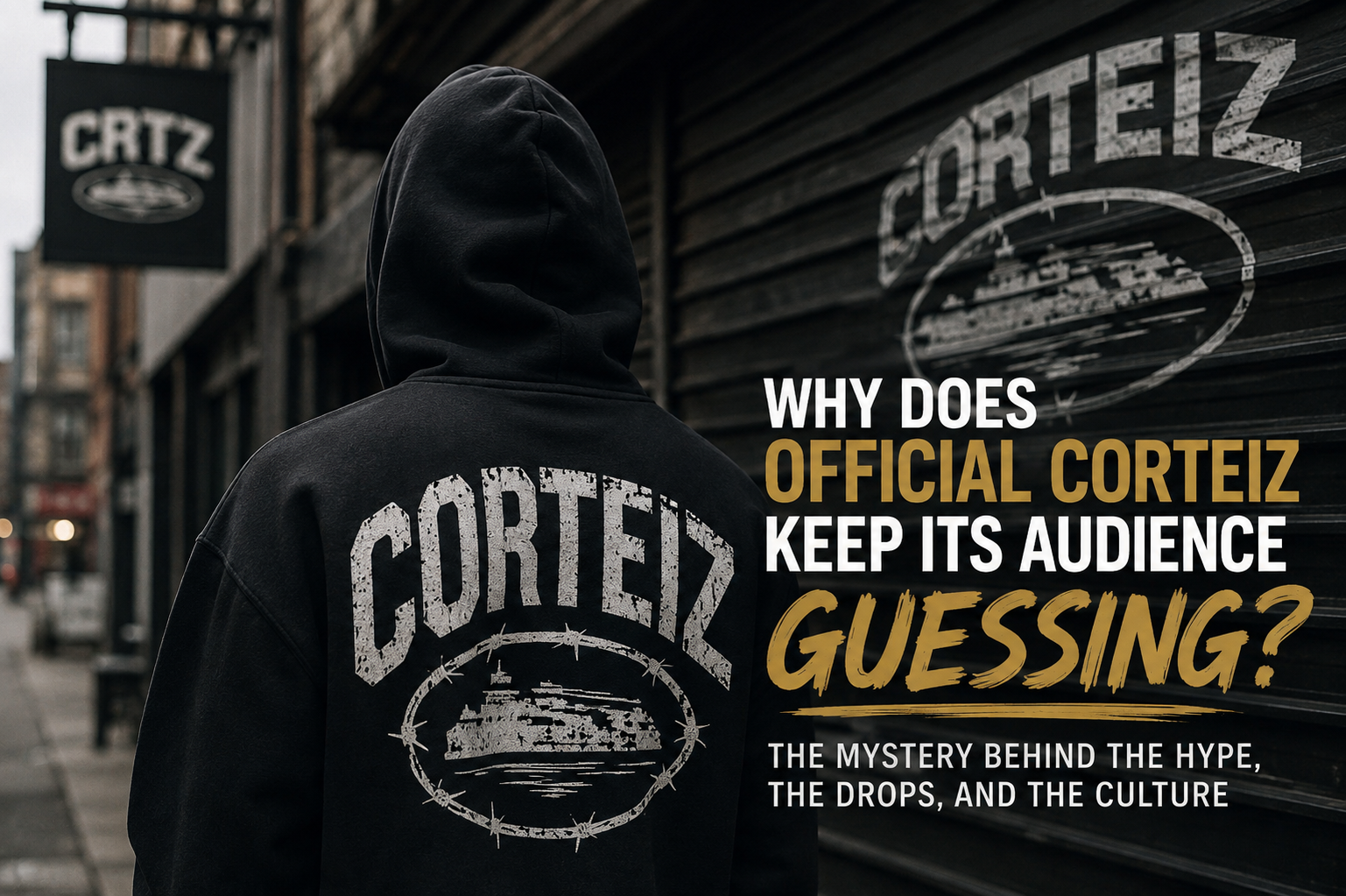
Streetwear usually rewards consistency. Brands announce collections, show the products, reveal the release date, and give shoppers time to decide. Yet the appeal surrounding Corteiz often comes from the opposite approach. Limited releases, unexpected announcements, and carefully controlled communication leave people wondering what might appear next. That uncertainty is not simply a marketing trick. It has become part of the brand experience itself. A sudden drop can turn an ordinary scroll through social media into a race to find information, while a scarce product can feel more meaningful because getting one is never guaranteed. For modern streetwear audiences, that tension creates conversation long before a product reaches someone’s wardrobe. By keeping information selective and releases difficult to predict, the brand has built a relationship with consumers based heavily on curiosity, community discussion, and anticipation.
The Strategy Behind the Uncertainty
The mystery begins with the decision not to make every release feel routine. Instead of giving audiences a complete calendar, the brand can allow information to arrive in fragments. A post, message, image, or community conversation may suddenly become the clue people were waiting for.
This approach changes how consumers behave. Rather than casually checking a website after seeing a conventional advertisement, followers may pay closer attention to social channels and streetwear communities. Every small update can appear meaningful.
That uncertainty also gives individual releases more emotional weight. If shoppers know exactly what is coming months in advance, anticipation can gradually fade. When information remains limited, interest can build naturally through speculation and discussion.
Why Corteiz Makes Every Drop Feel Different
Part of the attraction comes from scarcity. When a release is limited, consumers understand that waiting too long could mean missing it entirely. The product becomes connected to timing as much as design.
Imagine someone checking social media after school and discovering that a new item has appeared with little warning. They might immediately send the news to friends, open the release page, and start discussing sizing or styling before deciding whether to buy. That reaction is very different from calmly planning a purchase weeks.
For Corteiz, unpredictability can therefore make a release feel like an event rather than another product launch. The excitement exists because there is a real possibility of missing the moment.
Social Media Turns Followers Into Watchers
Social media is particularly effective for this kind of communication because information travels quickly between people. A post can be noticed by one follower, shared in a group chat, discussed on a streetwear forum, and searched for by hundreds of others within a short period.
That process creates a community-driven information network. People do not simply consume announcements; they interpret them, compare details, and pass them along.
The same behavior can be seen around searches for terms such as CRTZ, Nike corteiz, or the Corteiz Logo. Someone may encounter an unfamiliar product image and search one phrase after another to understand what they have found.
In this environment, uncertainty becomes fuel for conversation. The less information people have, the more they rely on one another to piece together the story.
Scarcity Gives Streetwear a Different Emotional Value
Streetwear has always had a complicated relationship with availability. A garment that everyone can purchase easily may be attractive, but an item that appears difficult to obtain can carry a different social meaning.
That does not automatically make a scarce product better. Instead, scarcity can make the purchase feel more personal. The owner remembers discovering the release, deciding quickly, and successfully securing the item.
A limited Sudadera Corteiz, for example, can become more than a sweatshirt in someone’s wardrobe. Its appeal may come partly from the story surrounding how it was found and purchased.
This is one reason unpredictability fits naturally into streetwear culture. Clothing becomes connected to participation, timing, community knowledge, and personal experience rather than simply being another retail transaction.
Collaborations Add Another Layer of Suspense
Collaborations can make the guessing game even stronger because two recognizable identities meet in a single release. The Air Max 95 Corteiz became a particularly interesting example of how sneaker culture, streetwear, and collaboration-driven attention can overlap.
The phrase Nike x Corteiz also appears frequently in online conversations because shoppers may search by either brand, the product itself, or a specific collaboration name. Someone looking for a particular sneaker might begin with a broad search and gradually narrow it down through product images, release discussions, and authentication information.
For consumers, collaborations create another question: what will the next partnership look like? Even without predicting future releases, that uncertainty can keep people interested because every collaboration has the potential to introduce a different design language.
Search Behavior Reveals How Curious People Are
Online search habits provide an interesting window into streetwear culture. People rarely use one perfectly consistent phrase when they are trying to find a product or verify information.
Searches may include terms such as Cortez, Corteix, or Corteis alongside the correct brand spelling. These variations can come from typing mistakes, memory, autocorrect, or simply hearing the name before seeing it written.
Product-specific searches work in a similar way. Someone might look for a Conjunto Corteiz after seeing an outfit online, while another person may search for Nike corteiz because they are interested in a sneaker collaboration.
These searches show that curiosity does not stop when someone sees a product. It often begins there. Consumers then move through different queries to understand authenticity, styling, availability, and the story behind the item.
Community Knowledge Keeps the Conversation Moving
A mysterious release strategy works best when people are willing to talk about it. Streetwear communities provide exactly that environment. Friends compare screenshots, creators discuss possible products, and collectors exchange information about older releases.
The conversation can continue even after a drop ends. Someone who missed an item may search for photos, sizing experiences, outfit ideas, or authentication advice. Another person may post how they styled a previous purchase.
That ongoing discussion gives products a longer cultural life. Instead of disappearing after the initial release, they remain part of conversations about taste and identity.
This is also where the brand’s visual language matters. A recognizable symbol, garment silhouette, or graphic can become instantly associated with the community, making the clothing easier to identify even before someone knows the full story behind it.
Why Surprise Releases Feel More Personal
A surprise release changes the psychology of shopping. There is less time for overthinking, comparison, and postponement. Consumers have to make a decision while excitement is still fresh.
Consider a fan who notices an unexpected announcement during an ordinary afternoon. They might hesitate for a moment, check the product details, message a friend, and then return to find that the opportunity has changed. That compressed decision-making process makes the experience memorable.
The same principle explains why a difficult-to-predict restock can generate renewed attention. People who missed an earlier release may suddenly become active again, hoping that another opportunity has appeared.
Uncertainty does not guarantee demand, but it can make attention feel more immediate. Every announcement carries the possibility that it may be the moment people have been waiting for.
Authenticity Becomes More Important When Information Is Limited
Mystery can also create practical challenges. When consumers have fewer straightforward details, they need to be more careful about where information comes from.
Searches for the Corteiz Logo, product names, collaboration details, and specific garments can lead shoppers across official pages, resale listings, social posts, and community discussions. Not every source deserves equal trust.
This is particularly relevant when buying second-hand. Product photographs, labels, stitching, packaging, sizing information, and seller history can all matter when someone is trying to determine whether an item is genuine.
The lesson is simple: curiosity should be paired with verification. A mysterious release may be exciting, but uncertainty should never become an excuse to ignore basic checks before making a purchase.
The Guessing Game Has Become Part of the Culture
Ultimately, the strongest part of the strategy is that unpredictability has become inseparable from how people experience the brand. Followers are not simply waiting for clothes. They are waiting for information, clues, conversations, and moments that feel difficult to reproduce.
That is why a Conjunto Corteiz, a collaborative sneaker, or a simple sweatshirt can attract attention beyond its physical design. The surrounding story matters.
For streetwear enthusiasts, owning a difficult-to-find piece can represent participation in a particular moment. Missing it can create another reason to watch the next release. Either way, the cycle continues.
Conclusion
The reason Corteiz keeps its audience guessing is ultimately more interesting than simply saying that limited products create demand. Unpredictability changes how people pay attention. Surprise drops encourage faster reactions, scarcity makes releases feel consequential, and social media turns individual discoveries into community conversations. Product searches also reveal how far that curiosity travels, from collaboration names to spelling variations and authentication questions. For streetwear consumers, the attraction is not only the clothing itself but the experience surrounding it. A release can become something people remember because they discovered it unexpectedly, discussed it with friends, or managed to secure a scarce piece. By avoiding an entirely predictable rhythm, the brand keeps anticipation alive. In a culture where attention is difficult to hold, making people wonder what comes next can be a powerful form of brand identity.
FAQs
Why are limited streetwear drops so effective?
Limited drops can make consumers pay closer attention because availability feels uncertain. The possibility of missing a release encourages people to follow announcements, participate in discussions, and make purchasing decisions more quickly.
How do surprise releases influence streetwear communities?
Surprise releases encourage rapid information sharing. Followers may send screenshots to friends, discuss products in online communities, and compare details about sizing, styling, or availability. The release becomes a shared moment rather than an isolated shopping experience.
What makes the Air Max 95 Corteiz search popular?
The Air Max 95 Corteiz connects sneaker culture with streetwear collaboration culture, making it relevant to people interested in both categories. Searches may also include questions about styling, authenticity, release history, and availability.
Why do people search for terms like CRTZ or Corteis?
Searchers may use shortened names, spelling mistakes, autocorrect variations, or terms they have heard from other people. These searches often lead consumers toward product information, brand discussions, collaborations, and authentication resources.
How can shoppers check the authenticity of a limited streetwear item?
Buyers should examine product details carefully and consider the seller’s reputation, photographs, labels, construction, packaging, and purchase history. Comparing information across reliable sources can also help identify inconsistencies.
Does unpredictability make a streetwear product more valuable?
Unpredictability can increase attention and perceived scarcity, but it does not automatically determine a product’s financial value. Design, condition, demand, availability, provenance, and broader market interest can all influence how an item is viewed.
Why does scarcity matter so much in modern streetwear?
Scarcity can give a product a stronger sense of occasion. Consumers may value the experience of discovering and securing something that was difficult to obtain, while the surrounding community conversation can make the item feel connected to a particular cultural moment.